Who is a Suitable Candidate for Metabolic Surgery?
Metabolic surgery is primarily recommended for individuals diagnosed with Type 2 Diabetes who are unable to achieve adequate glycemic control through medication and lifestyle changes alone. Generally, the procedure is considered for patients with a Body Mass Index (BMI) of 35 or higher, though it may also be an option for those with a BMI as low as 30 if they suffer from poorly controlled metabolic syndrome, hypertension, or high cholesterol. Candidates should be medically stable enough to undergo surgery and committed to the necessary long-term nutritional and lifestyle adjustments required to maintain metabolic health. Ultimately, suitability is determined after a comprehensive clinical evaluation of the patient’s pancreatic reserve and overall metabolic profile by a specialist.
How Does the Surgery Process Work?
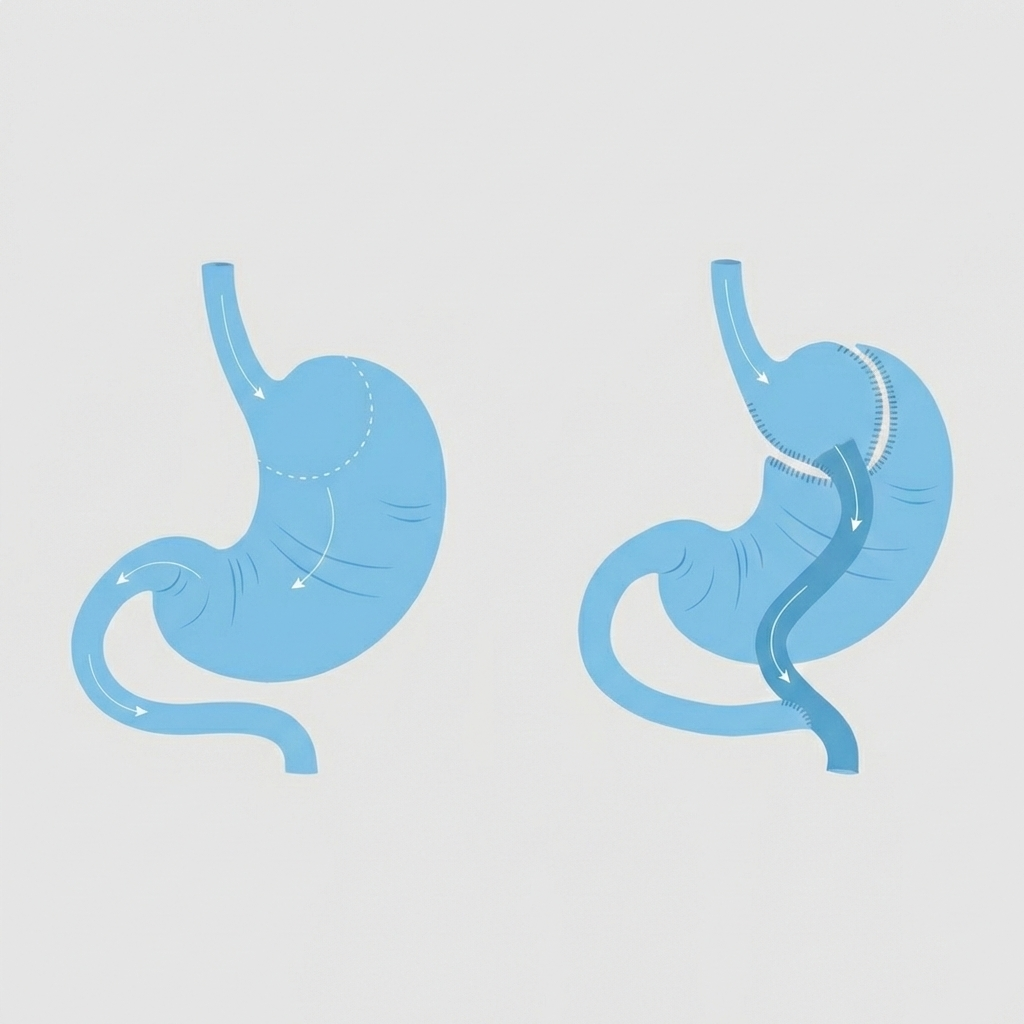
Deciding to undergo weight loss surgery is a life-changing step toward better health and renewed confidence. Among the most effective and common bariatric procedures is the Gastric Bypass (Roux-en-Y). However, many patients feel anxious about the unknown. Understanding the gastric bypass surgery process—from the initial consultation to long-term recovery—can help alleviate fears and prepare you for the journey ahead.
Here is a comprehensive breakdown of the stages involved in this transformative procedure.
Potential Benefits of Gastric Bypass Surgery
Gastric bypass is widely recognized as the "gold standard" in bariatric surgery, not just for its weight loss results, but for its profound impact on overall health. While cosmetic improvements are a major motivator, the medical benefits are often life-saving.
Here are the key benefits patients can expect:
Significant and Sustained Weight Loss: Patients typically lose 60% to 80% of their excess body weight within the first 12 to 18 months after surgery. Unlike crash diets, gastric bypass provides a long-term tool for maintaining a healthy weight.
Remission of Type 2 Diabetes: One of the most remarkable benefits is the improvement in Type 2 Diabetes. Many patients see their blood sugar levels normalize almost immediately after surgery, often allowing them to reduce or completely stop diabetes medication.
Improved Cardiovascular Health: Massive weight loss significantly reduces the risk of heart disease, stroke, and peripheral heart disease. It helps lower high blood pressure (hypertension) and brings cholesterol levels back to a healthy range.
Relief from Sleep Apnea: Obstructive sleep apnea is common among patients suffering from obesity. Losing weight relieves the pressure on the airways, allowing many patients to stop using CPAP machines and enjoy a restful night's sleep.
Alleviation of Joint Pain: Carrying excess weight puts tremendous stress on weight-bearing joints like the knees, hips, and lower back. Post-surgery weight loss relieves this stress, reducing chronic pain and improving mobility.
Enhanced Mental Health and Quality of Life: Beyond physical health, successful surgery often leads to a boost in self-confidence, reduced symptoms of depression, and a more active, fulfilling social life.
Risks and Important Considerations for Gastric Bypass
Risks and What to Know
While gastric bypass surgery is safe and effective, it is important to be aware of the following potential risks and requirements:
Surgical Risks:
Infection: Risk at incision sites.
Leaks: Rare issues at the new stomach connections.
Blood Clots: Prevented by early walking post-surgery.
Long-Term Considerations:
Dumping Syndrome: Nausea or dizziness caused by high-sugar foods.
Vitamin Deficiencies: Lifelong use of B12, Iron, and Calcium supplements is required.
Gallstones: A possible side effect of rapid weight loss.
The Key to Success: Gastric bypass is a tool. Long-term success requires a permanent commitment to a healthy diet and regular medical follow-ups.